
10 Reasons Why Moldova Must Choose the European Union

Accession to the DCFTA brings net economic and social benefits for the Republic of Moldova, while the Customs Union of Russia, Belarus and Kazakhstan (UV RBK) would have adverse effects. Econometric estimates clearly show the advantages of joining the DCFTA with the EU. Thus, the calculations suggest that, in the case of DCFTA accession, Moldova’s economy will expand by about 6.4%, while the UV RBK option will cause it to contract by 4%. At the same time, joining the UV RBK will lead to domestic producers losing the EU market, which accounts for about 45% of total exports from both the right bank and the left bank of the Dniester. The cause lies in the obligation to adopt the Russian customs policy and to adjust to Russian standards, which, unlike EU ones, are not recognised worldwide. The advantages of the DCFTA relate to increased access for Moldovan producers to the EU market, to Turkey and to other markets, because EU standards are recognised worldwide. At the same time, import liberalisation will increase competition on the domestic market, which will ultimately help reduce prices and increase the diversity and quality of products. Together with improved investment attractiveness, this will increase the population’s well-being and the competitiveness of the Moldovan economy. In the case of joining the UV RBK, in addition to tariff barriers, Moldovan exporters will also have to face significant non-tariff barriers on the EU market and beyond. At the same time, owing to higher customs tariffs on imports, consumer goods and investment goods imported from the EU will become more expensive. This will hit the competitiveness of the Moldovan economy, the investment climate and the population’s well-being. This infographic was produced by Opera Studio, commissioned by the Independent Think Tank “EXPERT-GRUP”, in partnership with the Friedrich Ebert Foundation. The information is based on the findings of the State of the Country Report 2013, available here and on the study “Quo Vadis Moldova?”, prepared with the support of the Soros Foundation Moldova/Good Governance Programme, available here.
Other infographics & videographics
 Infographic
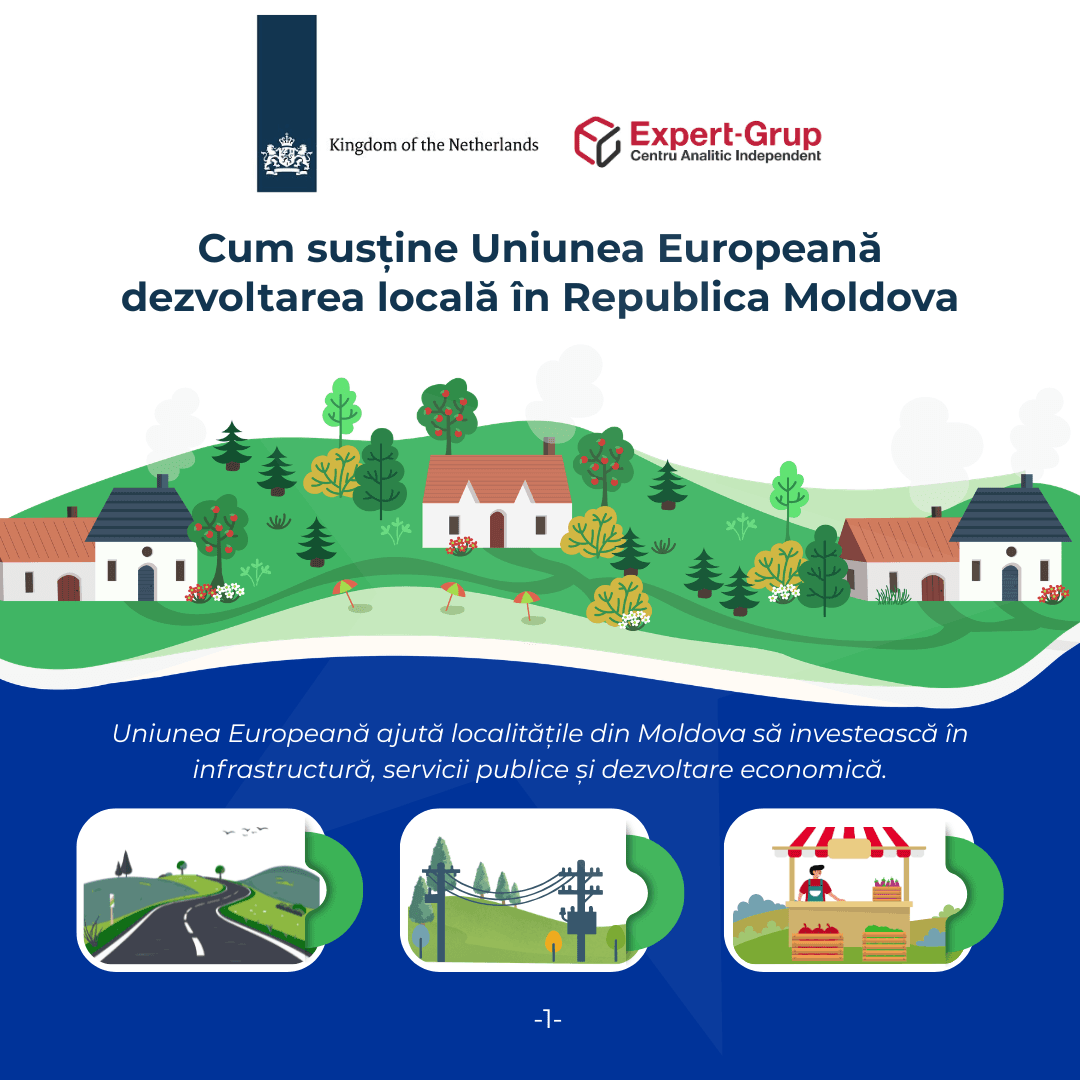
How the European Union Supports Local Development in the Republic of Moldova
21 July 2026
 Infographic
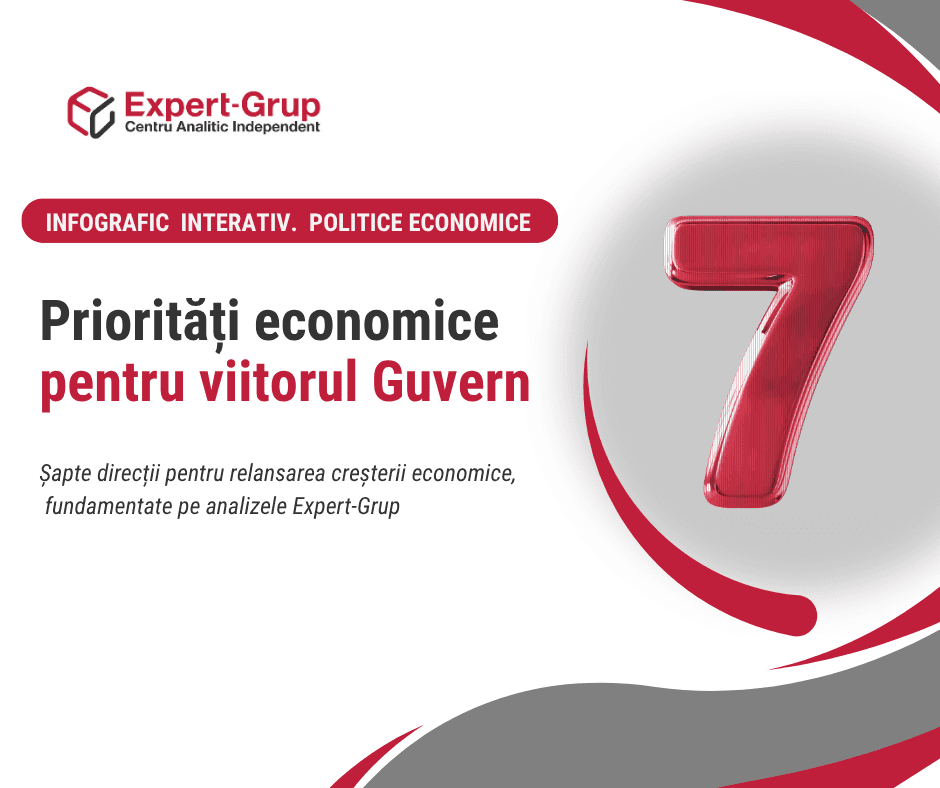
What should the next Government do to relaunch the economy?
8 July 2026
 Infographic
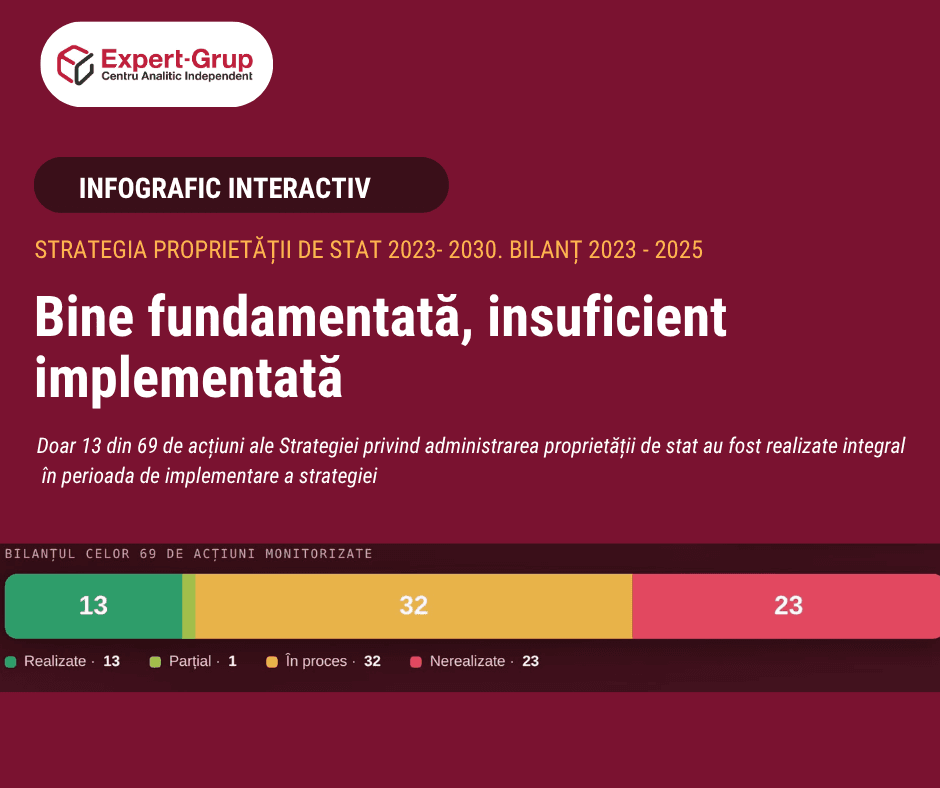
Monitoring the Implementation of the State Property Management Strategy in the Field of State-Owned Enterprises and Joint-Stock Companies
6 July 2026
 Infographic
How Should We Reorganise the Public Property Agency?
29 June 2026