The justice sector remains non-transparent, the pay system underperforms, and public-private partnerships serve as a tool for diverting the public interest
Automatically translated summary. The full article is available in Romanian.
An analysis by the Independent Think Tank “Expert-Grup” reviews public sector performance in three areas: implementation of the 2011–2016 justice sector reform strategy, public sector pay, and public-private partnerships. It finds inefficient use of money, inequity and a lack of transparency in Moldova.
Of the 489 planned justice reform actions, almost 80% were reported as completed, half on time and the rest delayed by 3 months to 3 years. Fewer than 5% were not carried out, and the rest were partly implemented. Gains include a better legal framework, random case allocation and the Integrity Commission. Delays persist in reforming the Prosecutor’s Office, and Parliament has yet to pass several key laws.
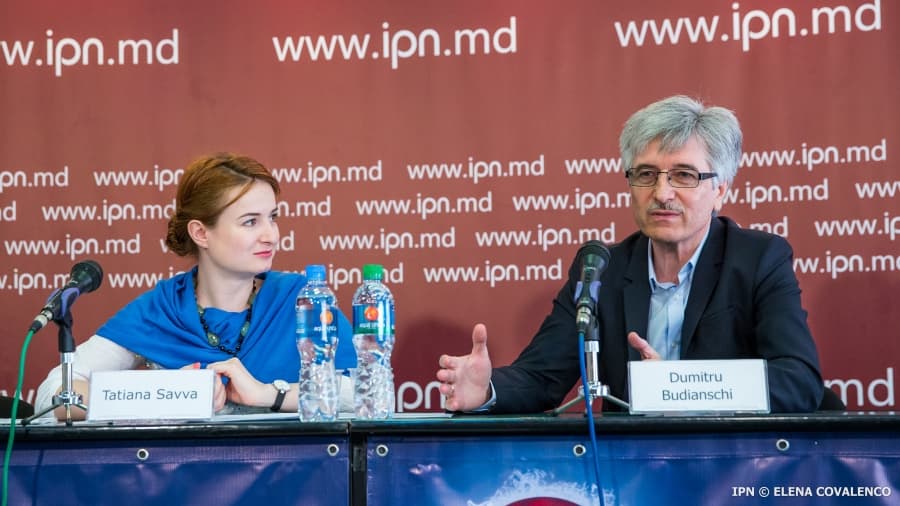
According to economist Tatiana Savva, the public sector pay system is hard to administer, underperforms and creates social and economic inequities. She says it needs full overhaul and pay closer to the real sector. Public-private partnerships also breach good practice, with low transparency and weak monitoring, risking the loss of public assets and contingent debts. The study was supported by the Soros Foundation-Moldova.
Other articles in the same category
See all
Ceadîr-Lunga Launches Its Third Municipal Bond Issue, Raising MDL 8 Million for Local Projects

24 Municipalities from the Republic of Moldova Complete a Study Visit to the Kingdom of the Netherlands

Winners of Tulip Business Incubator 3.0 Announced: Five Businesses to Receive EUR 5,000 Grants and Mentoring