Massive investment in agriculture in recent years is not paying off because of inefficient allocation of funds
Automatically translated summary. The full article is available in Romanian.
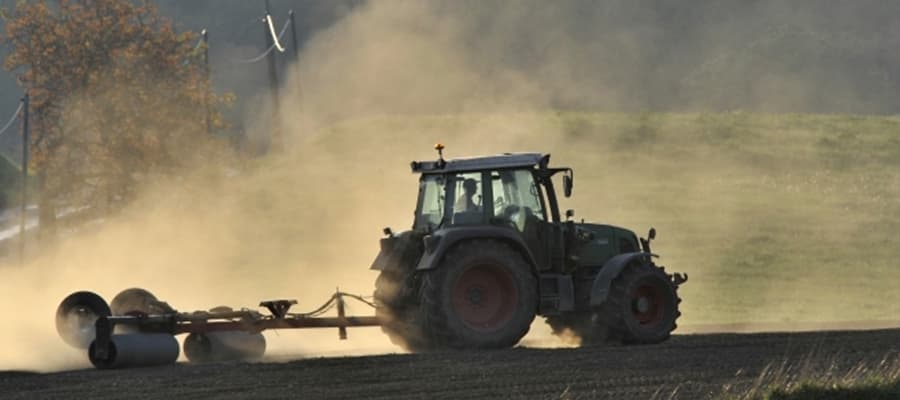
An analysis by the Independent Think Tank “Expert-Grup” finds that heavy investment in Moldovan agriculture over the past decade has not produced sustainable growth. Although the sector employs about 30.5% of workers and contributed some 13% of GDP in 2014, inefficient allocation of money is cited as a main cause of stagnation.
Crop and livestock output has barely grown in real terms, and agriculture was not the decisive factor in reducing poverty. The non-agricultural sector, which grew by 80% in a decade, played that role. Scenarios show poverty falling from 12.7% in 2013 to 5% in 2020, depending on its growth. Funding rose, largely thanks to external donors, yet Moldova spends less than most Eastern European countries relative to the sector's weight in GDP, ahead only of Ukraine and Romania.
The study stresses that more funding must come with better efficiency, for example more current spending on irrigation and anti-hail services. Institutions progressed with the creation of the Agency for Intervention and Payments in Agriculture and the National Food Safety Agency. Budget transparency remains low, however, preventing assessment of spending impact, and only the Ministry of Agriculture and Food Industry and the Agency publish activity reports, without narrative analysis.
Other articles in the same category
See all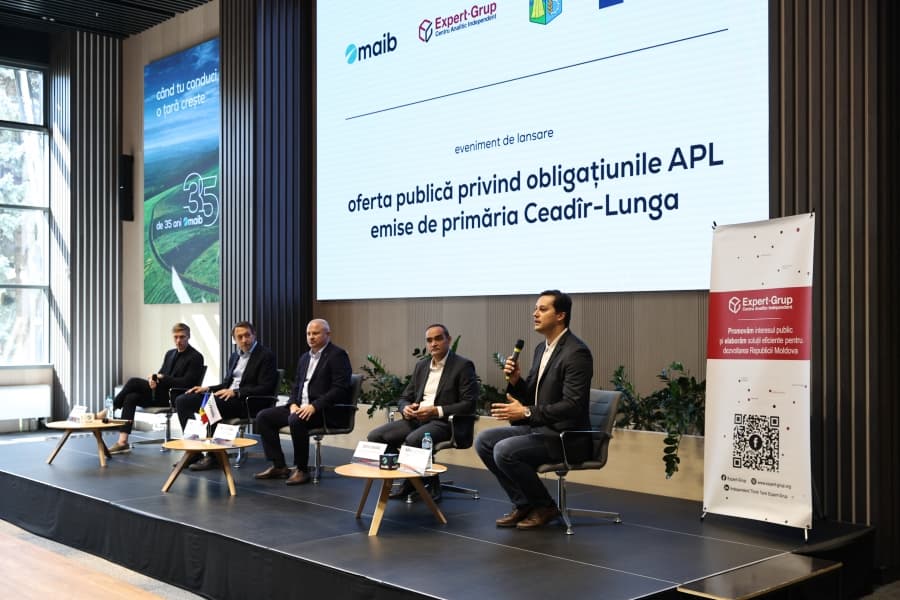
Ceadîr-Lunga Launches Its Third Municipal Bond Issue, Raising MDL 8 Million for Local Projects
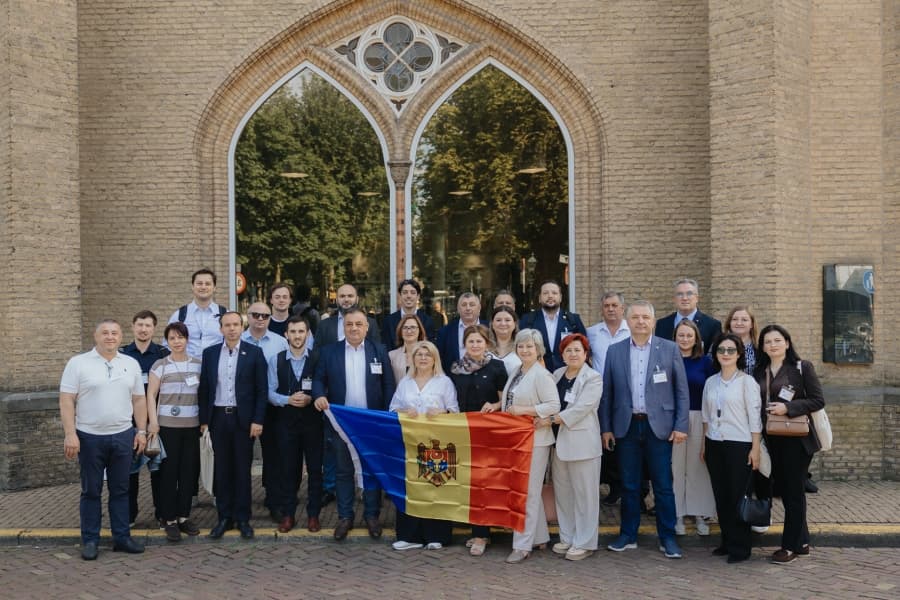
24 Municipalities from the Republic of Moldova Complete a Study Visit to the Kingdom of the Netherlands
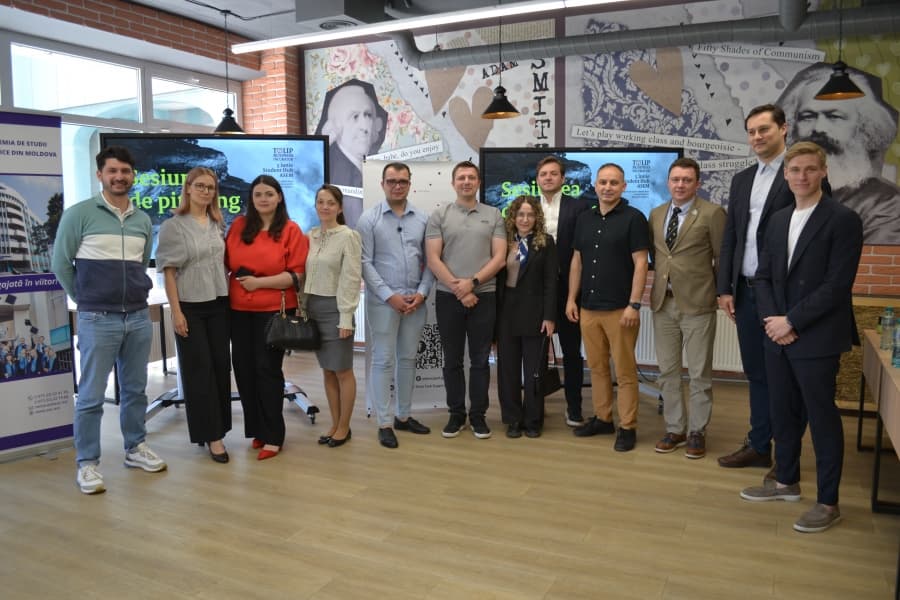
Winners of Tulip Business Incubator 3.0 Announced: Five Businesses to Receive EUR 5,000 Grants and Mentoring