How the Association Agreement Can Resolve the Challenges of Moldova’s Agriculture
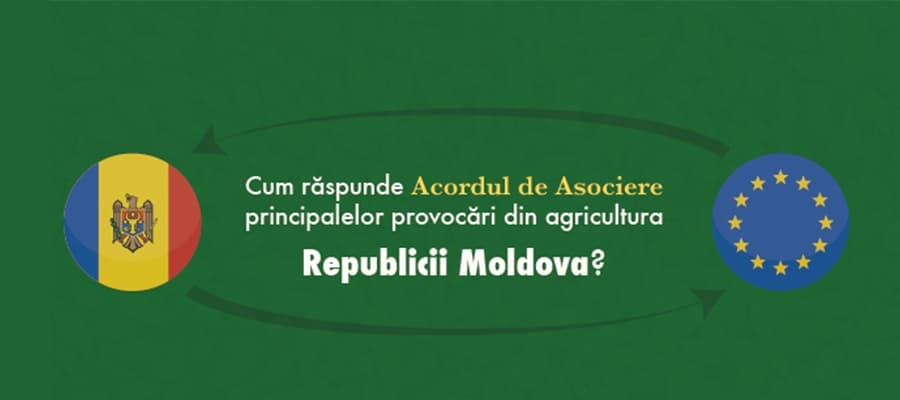
Automatically translated summary. The full article is available in Romanian.
An infographic-based article examines how the Association Agreement with the European Union can help address the long-standing problems of agriculture in the Republic of Moldova. It explains why Moldovan producers have not exported to the EU market so far and how the Agreement is expected to change this.
Exports to the EU have been held back by customs duties, European sanitary and phytosanitary rules incompatible with domestic ones, outdated production, missing storage, processing and quality infrastructure, and a lack of investment funds.
The Agreement removes tariff barriers for 91% of domestic products, saving farmers over EUR 11.2 million a year, and opens a market of 500 million people with purchasing power five times higher than in the Russia-Belarus-Kazakhstan Customs Union. It also harmonises legislation, improves access to finance and education, encourages producer associations and foreign investment, and supports sustainable rural development. Import duties on sensitive European products remain for 3-10 years. Funding comes mainly from the Single Support Framework (EUR 110-123 million by 2017), subject to a national strategy and at least 10% co-financing. The Baltic States illustrate the benefits.
Other articles in the same category
See all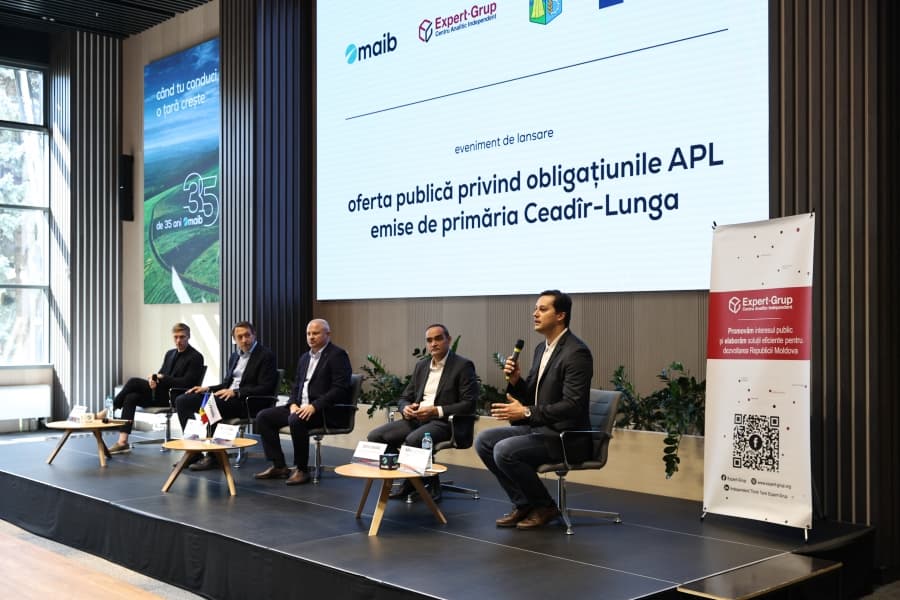
Ceadîr-Lunga Launches Its Third Municipal Bond Issue, Raising MDL 8 Million for Local Projects

24 Municipalities from the Republic of Moldova Complete a Study Visit to the Kingdom of the Netherlands

Winners of Tulip Business Incubator 3.0 Announced: Five Businesses to Receive EUR 5,000 Grants and Mentoring