How Effective Is the Use of Budgetary and Fiscal Instruments for Environmental Protection in the Republic of Moldova
Automatically translated summary. The full article is available in Romanian.
On 8 December, the Independent Think Tank “Expert-Grup”, the Aarhus Centre “EcoContact” and the National Environmental Centre launched two studies in Chișinău, with Swedish financial support. They examine how environmental permit fees are calculated and how fiscal and budgetary instruments are applied to environmental problems in the Republic of Moldova.
The studies conclude that state investment in environmental protection is insufficient, even though Moldova faces major ecological problems. Revenues from environmental taxes do not contribute significantly to solving them, and spending is distributed disproportionately: very little goes to wastewater treatment plants, and in some years practically nothing to biodiversity. In 2019, environmental tax revenues to the state budget were MDL 4.9 billion, or 2.3% of GDP, while environmental spending was only MDL 200 million, or 0.1% of GDP, the lowest in Europe relative to GDP.
On permits, the authors point to the lack of a single approach and of a clear, transparent pricing methodology, fees that are not updated for years, and businesses unaware that they need permits. Speakers called for legislative changes and for making the environment a real government priority, not one treated separately from economic objectives.
Other articles in the same category
See all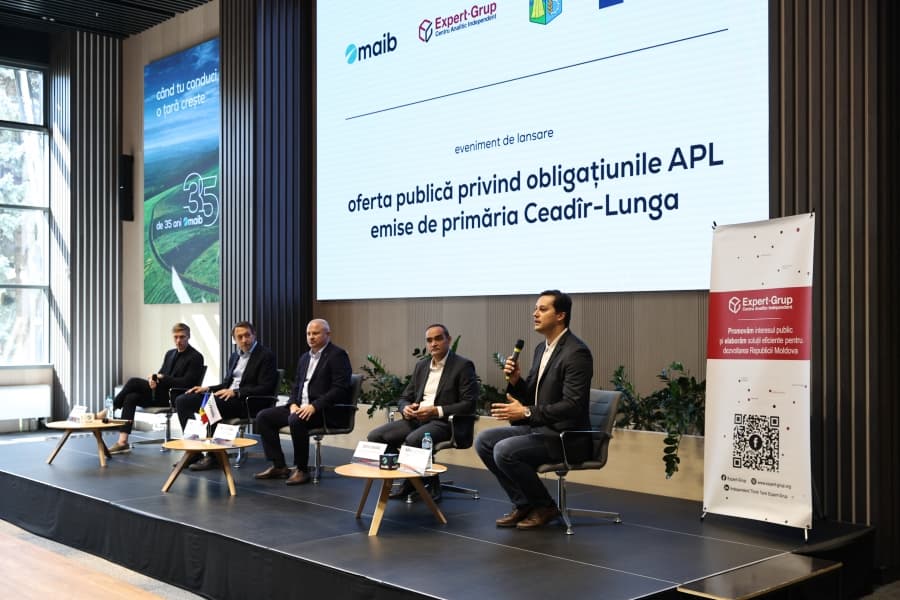
Ceadîr-Lunga Launches Its Third Municipal Bond Issue, Raising MDL 8 Million for Local Projects
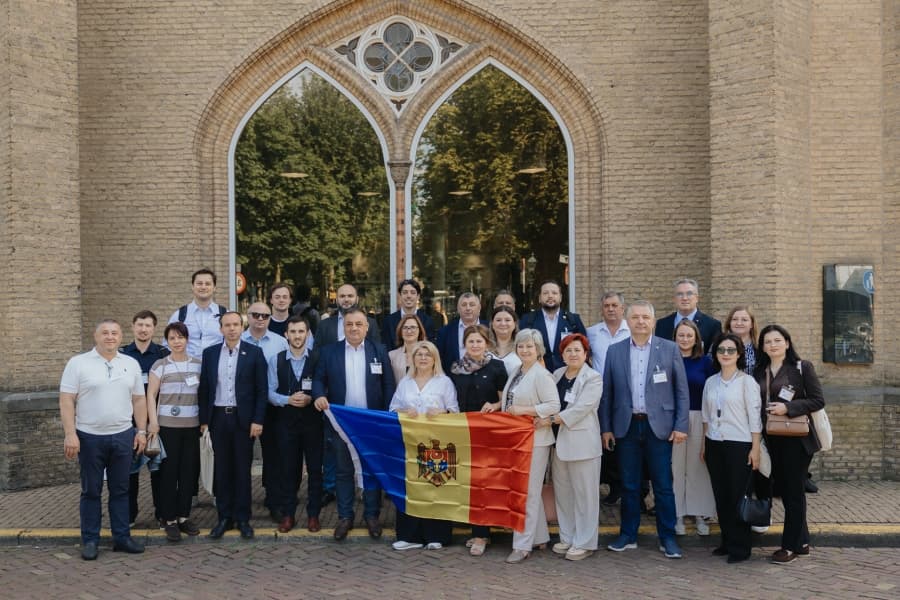
24 Municipalities from the Republic of Moldova Complete a Study Visit to the Kingdom of the Netherlands
Winners of Tulip Business Incubator 3.0 Announced: Five Businesses to Receive EUR 5,000 Grants and Mentoring