
Study

The energy sector, both globally and in the Republic of Moldova, is in the process of transition to clean renewable energy, with multiple measures planned until 2030 and 2050: on the one hand, there is the challenge of decarbonizing the energy system, reducing greenhouse gas emissions and promoting renewable sources, and on the other hand, to ensure the security of energy supply at a level, quality and cost affordable to the end consumer.
The Republic of Moldova since the declaration of independence is in a state of energy dependence (approximately 80%) on energy imports from the Russian Federation, including energy imports generated by MGRES or in a relationship of dependence on neighboring countries - Ukraine and Romania when energy imports from the Russian Federation have been avoided or were impossible.
With the start of the Russian Federation's military invasion of Ukraine in February 2022, the Republic of Moldova has been facing significant energy security risks due to its aforementioned dependence, which has worsened in the wake of the energy collapse caused by Russian bombing of Ukraine's energy infrastructure. This situation has created an energy shortage, which has led to soaring electricity prices in the region in the most recent phase of the military conflict.
Moreover, starting with January 01, 2025 "Gazprom" decided not to honor its contractual obligations, interrupting natural gas supplies to the Transnistrian region. As a result "Gazprom" caused a significant aggravation of the energy crisis, which was already underway since the beginning of the war. As a result of the failure to supply electricity, major economic and social consequences for the inhabitants of Moldova followed.
Since 2021, the EU has awarded grants, mobilizing millions of euros of investment through international financing partners. These support Moldova's energy efficiency in public and residential buildings as well as the transition to green energy. The EU is also supporting capacity building and piloting the Energy Efficiency Fund in the Residential Sector in Moldova, which is operational within the CNED.
On December 1, 2024, export capacity from the EU to Ukraine and Moldova was increased from 1.7 to 2.1 GW, including 315 MW for Moldova. In addition, with EU support, Moldova has been able to fully diversify away from Russian gas supplies from 2022 and is supplied exclusively from European gas markets.
A transition to renewable energy can increase energy independence, reduce greenhouse gas emissions and support economic resilience. This policy brief outlines key steps Moldova can take to accelerate its transition to renewable energy while ensuring economic and social stability.
The identified policy recommendations can be categorized according to the groups they target.
Download the full study, see what challenges exist and what recommendations the author comes up with:
This publication was produced by the Independent Think-Tank "Expert-Grup" with the support of the Embassy of the Kingdom of the Netherlands in Moldova.
Recent publications from Energy
See all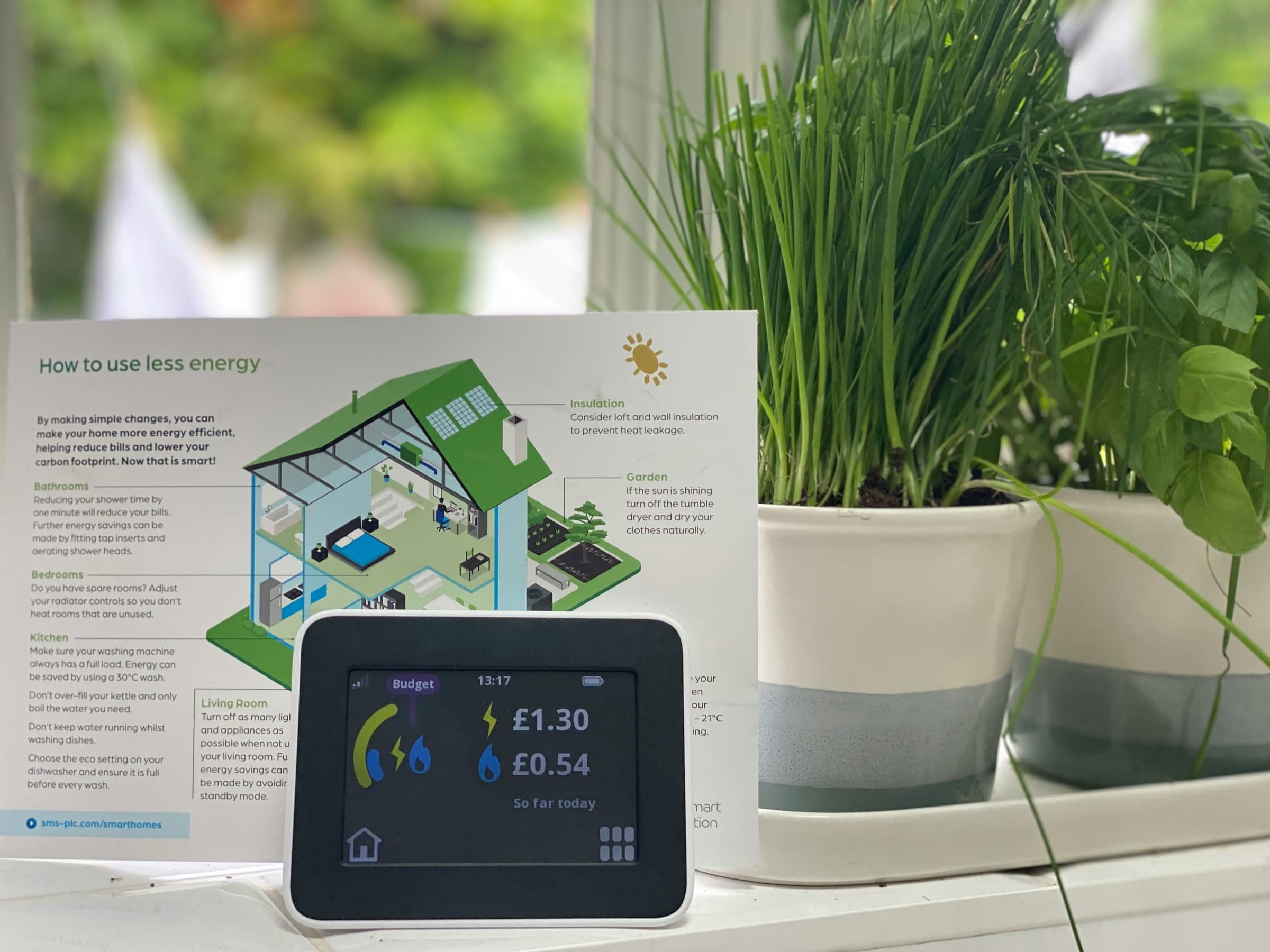
What measures (don't) work to reduce peak-time energy consumption
The New Energy Compensation System in the Republic of Moldova: Benefits, Challenges and Implications of Direct Payments
Policy Brief on Energy Sector Priorities for Advancing the European Integration Agenda