
Using Computable General Equilibrium Models with Micro-Simulations to Analyze the Economy-Wide Impact of Economic Policies Relevant for Moldova's European Integration
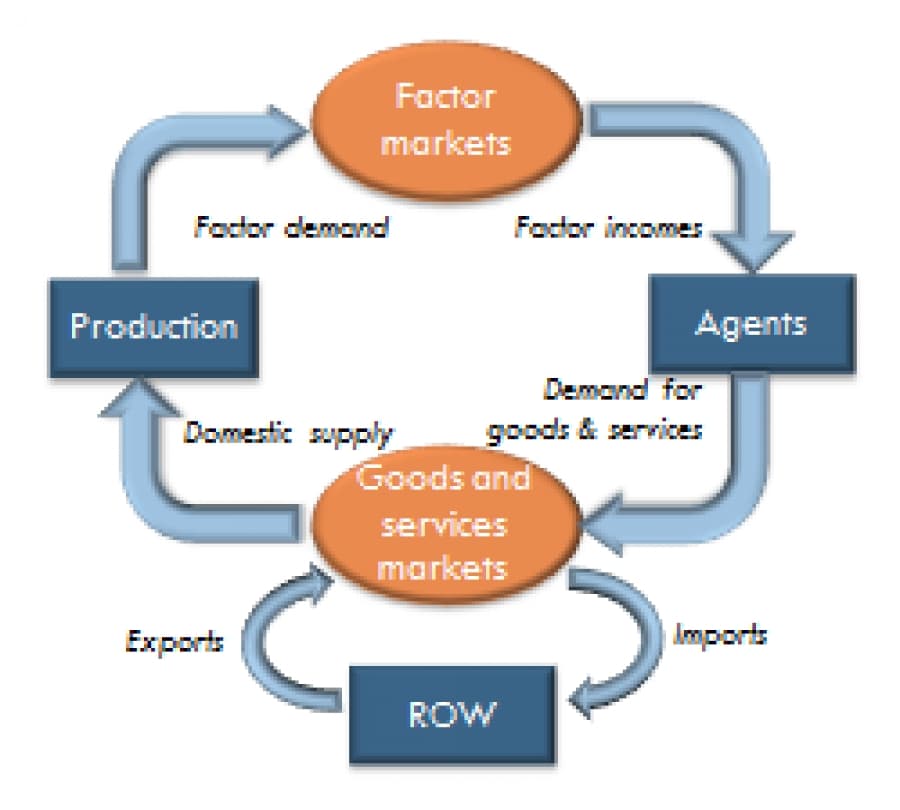
Project title: Using Computable General Equilibrium Models with Micro-Simulations to Analyze the Economy-Wide Impact of Economic Policies Relevant for Moldova's European Integration;
Implementation period: January 1 – August 31, 2010;
Funded by: PASOS;
Partner: Kiel Institute for the World Economy (Germany);
Project goal: Enhance the research and advocacy skills of the EXPERT-GRUP through targeted joint research and through a learning-by-doing knowledge transfer from the Kiel Institute for the World Economy;
Main activities:
- Adapted existing CGE models to Moldovan economy and achieving practical training on using them;
- Conduct joint policy research with the economists from the Kiel Institute for World Economy;
- Write three policy studies using the models and skills developed;
- Advocate for efficient policy change and planning;
Main outputs and outcomes:
- A classical static CGE model adapted for the Moldovan economy;
- Policy Study ”Moldova and trade liberalization: how much will the agro-industrial sector?”, author Valeriu Prohnițchi;
- Policy Study ”Simulation of the economic impact of visa-free regime between Moldova and EU”, author Ana Popa;
- Policy Study ”The impact of the Russian wine embargo: estimation of the economic impact”, author Alex Oprunenco;
- National conference “Looking into the economic year 2011: reforms for European integration”, Chisinau, 22 of February 2011, with 55 participants;
- Presentation of the papers at the PASOS - LGI/OSI seminar “Trading places in the Eastern partnership”, Brussels, 12 of April 2011, attended by 40 experts from various European Union bodies, NGOs, and business associations;
Project impact:
This project has had a great impact on the policy environment in Moldova and positively influenced the positions of the Moldovan Government in its trade negotiations with the EU. The project has shown that the most beneficial economic effects Moldova would get from a liberalization of the visa-regime with the EU. Also, in long-term significant dynamic effects are expected from the liberalization in the EU-Moldova trade in services. Simulations have shown that geopolitical influence of Russian Federation over Moldova using a wine products embargo would be limited this time, as compared with the situation in 2006.