
Optimal Territorial-Administrative Structure for an Efficient Decentralization in Moldova
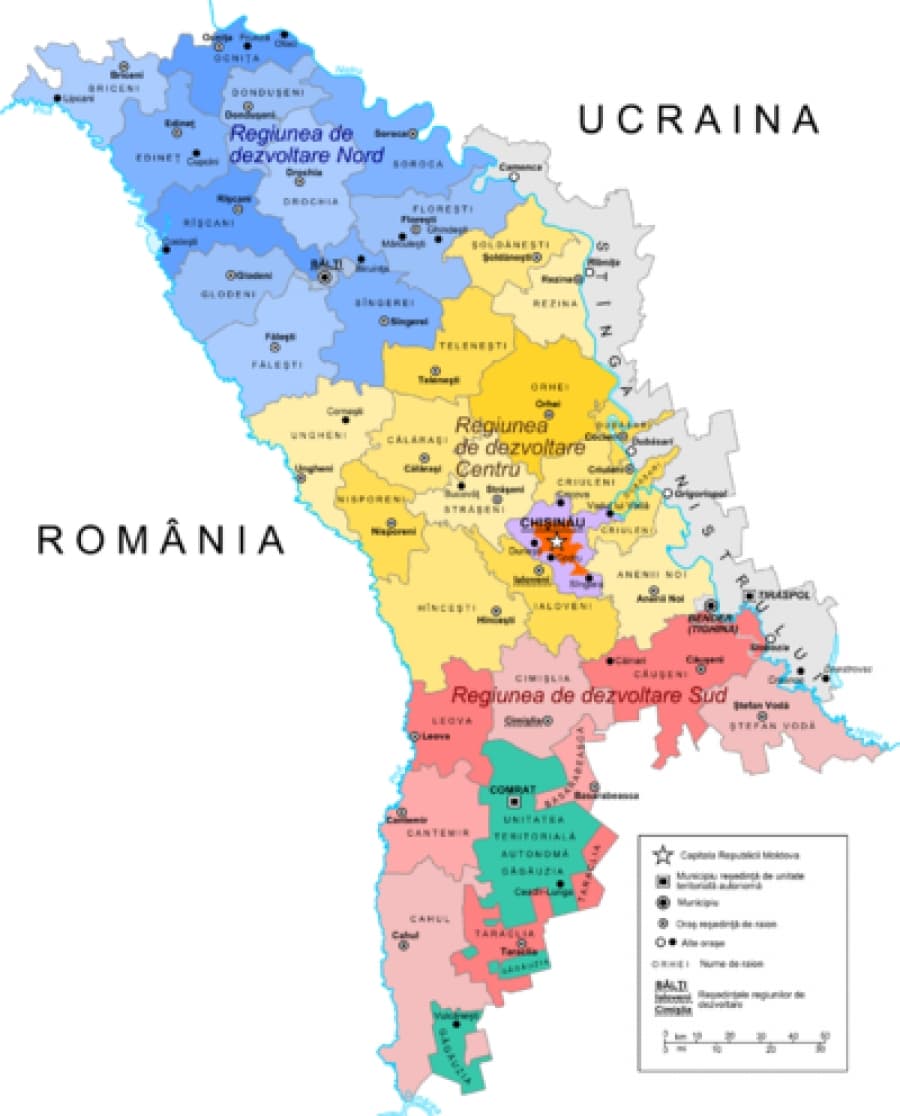
Project title: Optimal Territorial-Administrative Structure for an Efficient Decentralization in Moldova;
Implementation period: July 12 – October 29, 2010;
Funded by: UNDP-Moldova;
Project goal: Elaboration of an analytically grounded proposal regarding the optimal territorial-administrative structure for an efficient administration of resources and improved quality of services to citizens envisioned as part of the decentralization reform in Moldova.
Main activities:
- Reviewed existing studies and assessment relevant to the subject, identification of gaps, and elaboration of the evaluation methodology of the territorial-administrative structure to be used for the strategic planning of the decentralization reform;
- Analyzed experiences at international level regarding the territorial-administrative reform (Georgia, Czech Republic, Estonia, Latvia, Macedonia);
- Analyzed the territorial-administrative units of the Ist and IInd levels in Moldova according to a set of criteria (size of administered territory, number of population, revenues per capita etc.);
- Assessed the costs-efficiency of the current territorial-administrative structure;
- Proposed three alternative models of territorial-administrative structure for the Republic of Moldova supported by analytical argumentation;
- Designed mechanisms and instruments conducive to territorial-administrative consolidation;
- Evaluated the cost, risks, advantages and disadvantages related to a territorial-administrative reform, with an emphasis on human rights and gender equality;
- Evaluated the impact of a territorial-administrative reform on local development policies;
Main outputs and outcomes:
- “Analytical study on optimal territorial-administrative structure for Republic of Moldova”, authors Valeriu Prohnițchi, Ion Osoianu, Igor Sîrodoev, Eugenia Veveriță;
- Three presentations of the interim and final project results at roundtables organized by the State Chancellery to present and discuss the Decentralization Strategy;
- Two sets of geographical-administrative maps supporting the territorial-administrative models proposed by the project;
- Sets of economic, geographic, administrative and fiscal data collected in the course of project implementation;
Project impact:
This assignment was seen as duly elaborated input to the process of elaboration of the country Decentralization Strategy. The project identified and analyzed in Moldovan context the best and worst practices of territorial-administrative reforms in Europe, in general, and in five countries selected as case studies relevant for Moldova. The research undertaken has clearly shown that Moldovan territory is too fragmented from administrative point of view, leading to high economic and administrative inefficiency. The study proposed two alternative models of territorial-administrative reorganization (one-tier model versus two-tier model) and one 'no regret' model (inter-municipal cooperation). The first model proposed an amalgamation of the small communities into larger municipalities, from 900 in present to 111. The second model proposed transforming current development regions in administrative regions, allowing for a milder reduction in number of municipalities, from 900 to 289. The three proposed models have been subject of SWOT analyses in order to clearly identify the balance of positive and negative features that policymakers have to consider when deciding which model is the best for reform in Republic of Moldova.