
The effects of migration in Moldova and Georgia on children and elderly left behind
Project title: The effects of migration in Moldova and Georgia on children and elderly left behind;
Implementation period: June 1, 2011 – December 30, 2012;
Funded by: European Union;
Partners: Kiel Institute for the World Economy, Maastricht Graduate School of Governance, CIVIS sociological company;
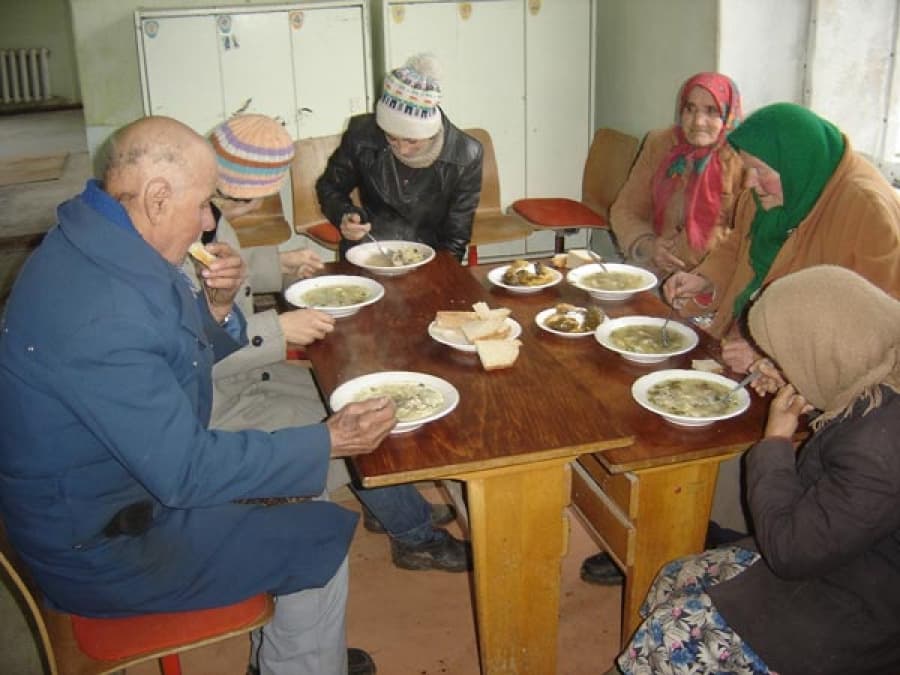
Project goal: The purpose of this project is to carry out a comprehensive quantitative analysis of how labor migration affects the wellbeing of children and elderly people left behind in Moldova and Georgia. Although the economic effects of migration and remittances have been investigated widely, there are few rigorous empirical studies of the impact on the education performance, physical health, and emotional wellbeing of children and the elderly. This project was developed to address these issues, aiming to formulate policy recommendations addressing existing risks and providing support to vulnerable groups.
Main activities:
- Providing ongoing support to the project, including material, logistical, and linguistic;
- Contributing to background research and policy reports in Moldova;
- Advising the project partners on dimensions of research and the development of data collection tools;
- Arranging meetings with local experts and stakeholders;
- Holding consultations with these bodies when necessary;
- Briefing select stakeholders on project progress and activities;
- Coordinating the high-level stakeholder meetings;
Main outputs and outcomes:
- Sociological survey on children and elderly left behind;
- A descriptive and readable (for non-experts) report on the survey results;
- Final report with conclusions and policy recommendations;
Project impact:
Before this project, there were no comprehensive studies measuring the impact of labor migration on children or elderly left behind in Moldova. Existing studies use qualitative research methods or small samples. While they throw light on the situation of particularly vulnerable individuals, they permit no encompassing assessment. This project filled these gaps through a nationally representative survey of close to 4,000 households that generated rich information on the determinants of the wellbeing of children and elderly in Moldova. In addition, the project helped identifying vulnerable groups of children and elderly irrespective of whether there are migrants in their households. This project also conducted qualitative research to explore in more detail the channels through which migration impacts vulnerable individuals. On this basis, several areas where policy interventions may be appropriate were suggested by this project.