
The Republic of Moldova at 30 years of independence – fundamental failures of the past and development prospects for the next decade
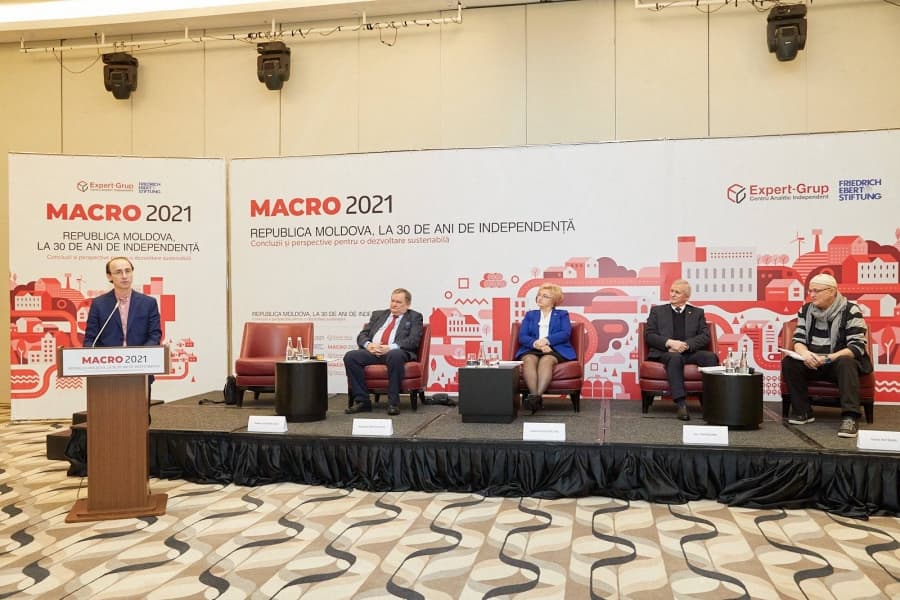
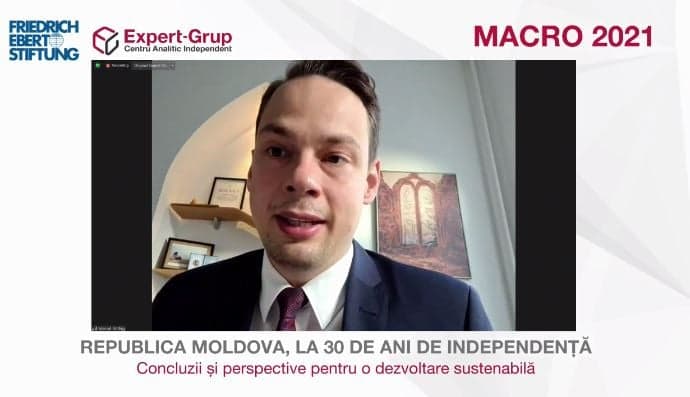
‘In view of Moldova's 30th anniversary of independence, the aim of the current edition of the MACRO Conference is to discuss key findings and lessons learned over the past three decades, with a focus on analysing the main successes and failures, missed opportunities, as well as future priorities for improving the economic, social and governance systems. The year 2021, which is symbolic, given the 30th anniversary of independence, was also marked by a turning point – the victory of the pro-European parliamentary majority and the formation of a pro-reform government, which brings new opportunities and hopes for the democratic development of the country and its economic and social modernization,’ said Marcel RÖTHIG, Representative of the Friedrich Ebert Foundation in Ukraine and the Republic of Moldova, at the beginning of the conference.
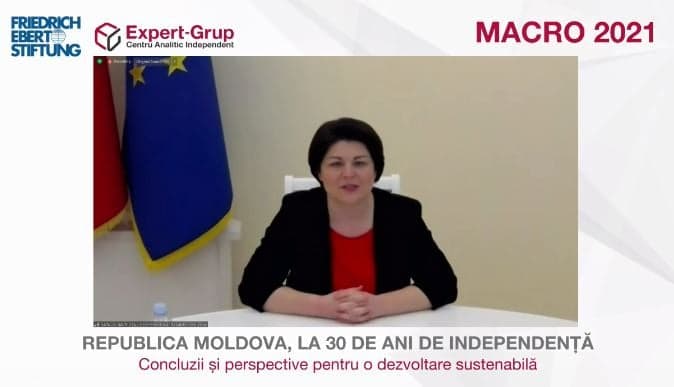
Natalia GAVRILIȚA, Prime Minister of the Republic of Moldova: ‘Currently, the Republic of Moldova is facing several crises, including regional ones. From a historical perspective, these types of crises have taught us how to progress. The lessons learned from the crises over the last 30 years include the need to diversify, involve partners and diversify public policies. It is very important to change the system. One of the conclusions of the State of the Country Report 2021, which we also support as a Government, is that the biggest failure of the last 30 years is that citizens lost their trust in the state and the fact that public institutions work for their benefit. Our goal is to restore people’s trust and their hope for a better life, together with their families, a confidence that will temper the wave of migration. Justice reform and progress in the fight against corruption are key to achieving this goal’.
According to the authors of the State of the Country Report 2021, over the three decades of independence, the Republic of Moldova has failed to address three main vulnerabilities: human capital erosion, technological underdevelopment, and structural vulnerabilities.
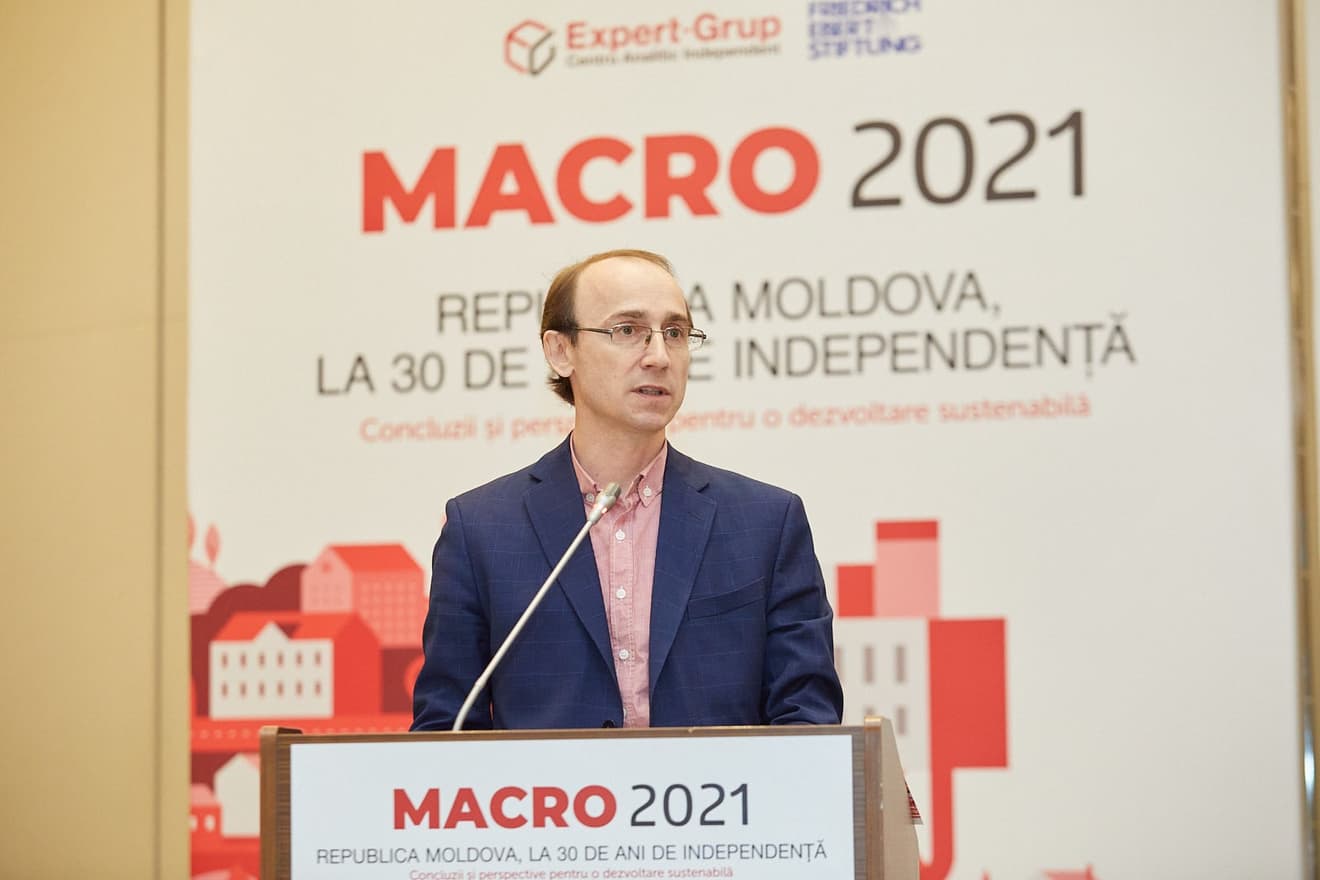
‘During the 30 years of independence, the Republic of Moldova fell short of its potential as a country, a state or even a nation. From the perspective of each of these three concepts, the Republic of Moldova remains highly fractured to this day. The multiple crises caused by the three vulnerabilities identified by the authors of the State of the Country Report 2021 are proof of this. Despite some achievements, the Republic of Moldova has failed to make a truly qualitative leap forward in its development, while fundamental development problems continued (weak institutions, poor governance, vulnerable economy, complete energy dependency, polluted environment, inefficient social protection). As a result, after 30 years of independence, there is no genuine social contract between the state and non-state actors (citizens and enterprises), due to the acute lack of trust in the authorities. This is one of the most serious problems in the Republic of Moldova today. It fuels populism and undermines government’s ability to implement systemic and long-term reforms,’ said Adrian LUPUȘOR, Executive Director of ‘Expert-Grup’ Independent Think-Tank.
At the same time, the governments that have been in power in the Republic of Moldova for the last 30 years have made some fundamental mistakes, which have slowed down the country's development and significantly weakened its position and reputation internationally. We are referring to bank fraud, the collapse of state-owned enterprises and the failure to ensure the rule of law.
Valeriu Prohnitchi, ‘Research and Methodology’ Programme Director, ‘Expert-Grup’ Independent Think-Tank: ‘Bank fraud has generated serious discussions — from the regulation of the banking sector to the way state security institutions operate. The cost of bank fraud was equivalent to 10–15% of the GDP, resulting in at least a five-year loss in the development of the Republic of Moldova. The way state-owned enterprises have been managed over the past 30 years has perverted Moldova's democratic system and corrupted elites. State-owned enterprises have been used for money laundering. The right policy would be to minimise the number of such enterprises and have them run by professional managers. At the same time, failure to ensure the rule of law creates constant discomfort in people's lives. Transaction costs are very high for the economy, and investments are difficult to make’.
In addition, corruption is a major problem of the Republic of Moldova, which has not been solved, but has further worsened in the last 30 years. In 1999, Moldova scored 26 on the Corruption Perception Index calculated by Transparency International on a scale from 0 ‘highly corrupt’ to 100 ‘very clean’. In the two decades that followed, the Republic of Moldova has regressed in this respect (in 2002 it fell to 21st position) and progress has been rather modest. Thus, in 2020, the country ranked the 34th in this classification. The authors of the State of the Country Report 2021 note that ‘at such a pace, the country would need 45–50 years to reach the level where, for example, Estonia is today.’
In order to strengthen its competitiveness and move towards sustainable development, the Republic of Moldova needs to face several major challenges in the coming years: modernization of the educational system, closing the technological gap, accelerating an increase in labour productivity, adapting to climate change and strengthening energy security.
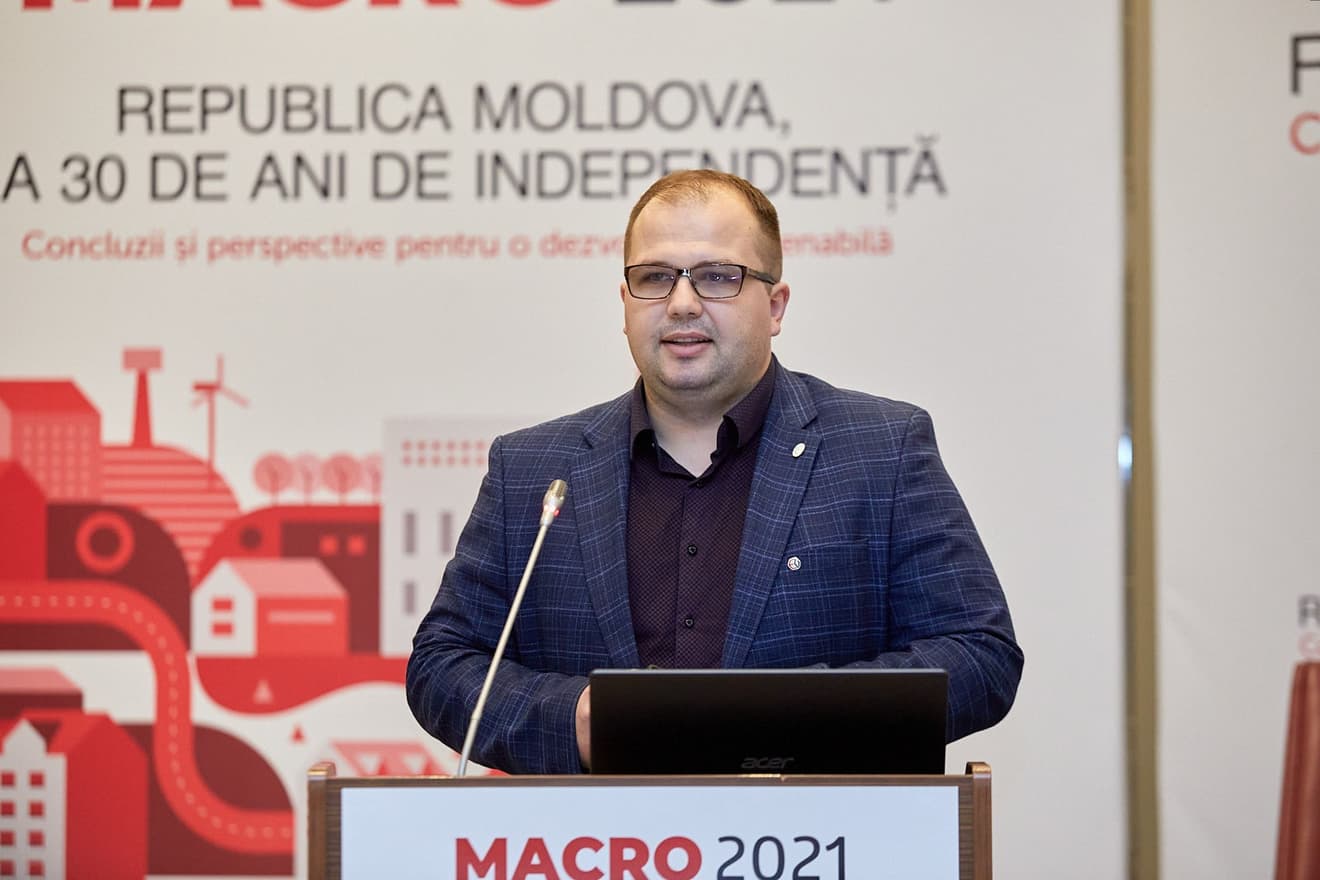
Stas MADAN, Senior Economist, ‘Expert-Grup’ Independent Think-Tank: ‘The main development landmarks for the Republic of Moldova in the coming years are improving corporate governance and the entrepreneurial culture of enterprises — the state must lead by example by reforming state-owned enterprises; internalising business, increasing export competitiveness; fostering decent work and retraining programmes; developing tools for channelling ‘long money’ into the economy and entering the foreign market. It is also important to regain the domestic market for local products — currently the focus is only on exports and we import products that are also found here; to integrate environmental policies into economic programmes, with a focus on afforestation. Failure to adapt to climate change is the main risk for the next 10 years. We need speed and fairness in managing infrastructure projects. The issue is not the money, but rather the ability to properly manage it and excessive bureaucracy. At the same time, energy security and energy efficiency must be prioritized. Last but not least, it is important to believe in democratic institutions that are governed not only by laws but also by a sense of morality and duty’.
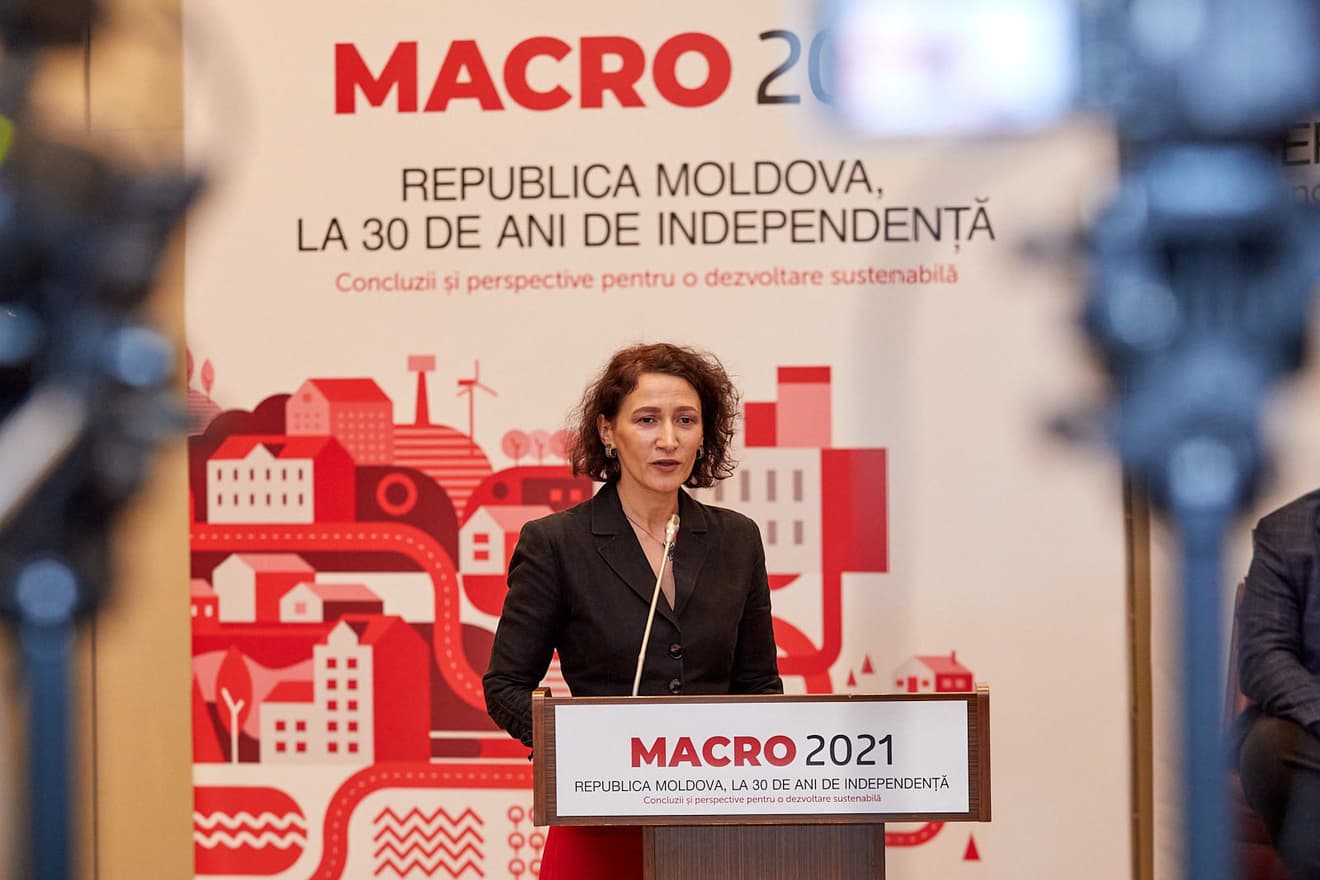
Ana MIHAILOV, Director, Friedrich Ebert Foundation in Moldova: ‘We need a vision for the country's development, a rethinking of the economic model to ensure sustainable, inclusive and harmonious economic and social development, drawing on the lessons of the past as well as those of the present, such as the pandemic crisis and the energy crisis, which have shown the crucial role of the State in securing public goods. Another conclusion from the recent health and energy crises is that we need empathetic governments that resonate with the needs of citizens in difficult situations. Here also, the current government's measures to support business, employees and consumers in the current crisis are welcomed. We hope that the new government, for which we all have high hopes and expectations, will continue to identify new solutions’.
The State of the Country Report is an annual publication that represents an integrated view of the country's development. The report is developed by ‘Expert-Grup’ Independent Think-Tank in partnership with ‘Friedrich Ebert’ Foundation in Moldova and is traditionally launched during the MACRO Annual International Conference. The publication is at its 11th edition this year.
Other articles in the same category
See all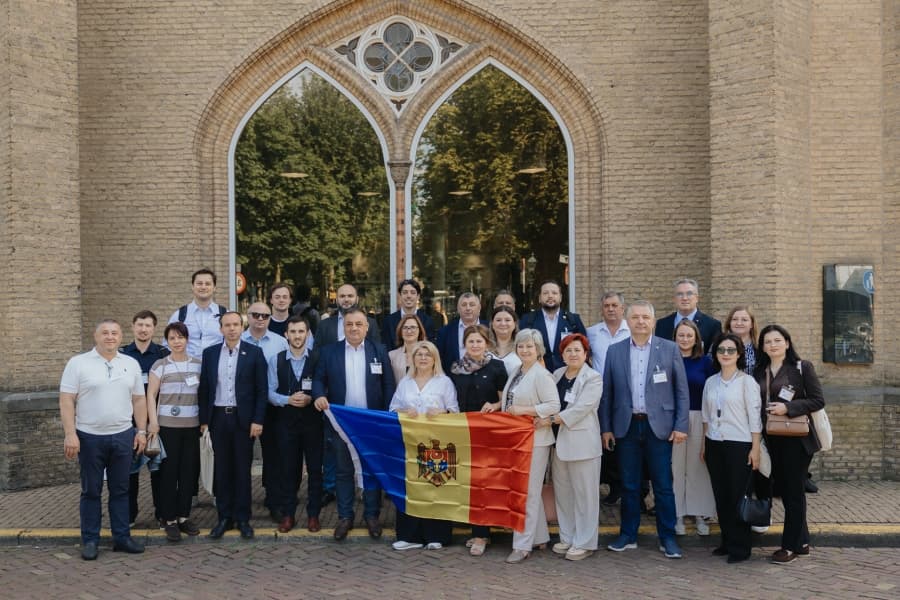
24 de primării din Republica Moldova au efectuat o vizită de studiu în Regatul Țărilor de Jos
Au fost desemnați câștigătorii Tulip Business Incubator 3.0: cinci afaceri vor beneficia de granturi în valoare de 5000 euro și mentorat.
Peste 500 de persoane au participat la discuțiile publice despre integrarea europeană organizate de Expert-Grup în comunitățile locale