
Moldova awaits an up to 1.8% recession in 2015, amid the regional crisis and problems in the country’s banking system (estimates)
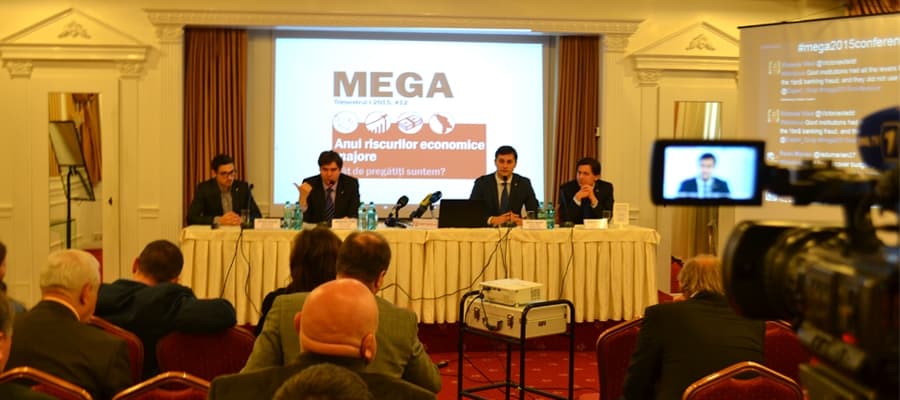
There are both foreign and domestic constraints. In particular, the worsening economic conditions in Russia and Ukraine - to which Moldovan economy is strongly tied, aggravation of the security crisis in Ukraine, maintaining trade restrictions from Russia and the slow recovery of the EU economies will continue to hamper Moldovan economy. These constraints are blended with alarming internal developments, where the worsening situation in the banking sector, volatility of the national currency and a collapsing level of confidence of the consumers and firms in the economy will lead to most industries reporting a decline.
To make matters worse, Moldova falls into recession being largely unprepared, with a weak banking sector, a minimal confidence of population in banks and the national currency, a budget deficit that does not leave much room for maneuver and a level of foreign exchange reserves that is close to minimal levels, all while these economic and financial shocks could be anticipated.
“The crisis in the banking system poses a fundamental threat to the country’s national security and the way authorities tackled the problem is unacceptable” said Adrian Lupusor, Expert-Grup executive director. In addition, the fundamental causes that triggered the banking crisis have not been yet removed and therefore, similar shocks are plausible in the future. The situation is worsened by a restrictive monetary policy promoted by the National Bank of Moldova – country’s Central Bank, which further inhibits economic activity.
In this respect, Expert-Grup recommends easing the monetary policy in order redirect the monetary surplus from the banking system into the economy, and addressing the problembs at the three struggling banks (Banca de Economii, Banca Socială, UniBank) through other means other than monetary policy levers. Also, it is imperative to substantially strengthen the independence of the Central Bank, given that most of the decisions taken by the monetary authority can be overthrown by courts or justice sector. Furthermore, we recommend authorities to implement a fiscal policy that is stimulating and not restricting entrepreneurial activity. Also, the budget gaps shall be covered by adjusting public spending and not by tightening the fiscal burden.
Other actions needed to be undertaken relate to developing a consolidated vision on the economic, financial and social security of the country. Also, signing a memorandum with the IMF will offer the necessary guarantees for the country's macroeconomic stability, which will lead to unlocking funds from other development partners, modernizing infrastructure, increasing demand on the labor market and providing technical support for the Government and the National Bank of Moldova.
This report has been published by the Expert-Grup Independent Think Tank with the financial support from the Global Partnership for Social Accountability (GPSA), World Bank. Opinions expressed in this document belong to the authors and are not necessarily the opinions of GPSA or the World Bank.
More details in the full report - Moldovan Economic Growth Analysis, Q1-2015.
Other articles in the same category
See all
24 de primării din Republica Moldova au efectuat o vizită de studiu în Regatul Țărilor de Jos

Au fost desemnați câștigătorii Tulip Business Incubator 3.0: cinci afaceri vor beneficia de granturi în valoare de 5000 euro și mentorat.
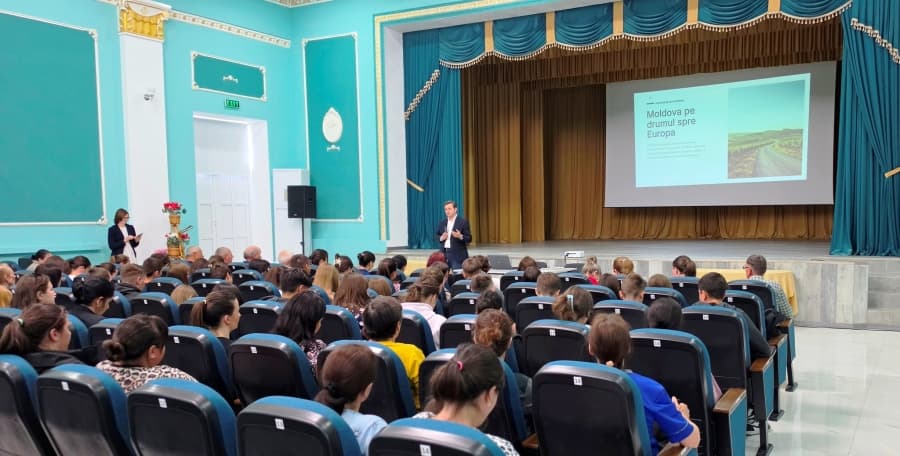
Peste 500 de persoane au participat la discuțiile publice despre integrarea europeană organizate de Expert-Grup în comunitățile locale